Office Cleaning for a Healthier, More Productive Workplace
Office cleaning is one of the most important services for creating a professional, safe, and welcoming work environment. A clean workspace supports employee well-being, improves focus, leaves a strong impression on visitors, and helps businesses maintain high standards every day. Whether you manage a small office, a large corporate building, or a shared workspace, investing in office cleaning can make a measurable difference in the way people feel and perform.
In today’s fast-moving business world, office cleaning is no longer just about emptying bins and wiping desks. It involves thoughtful routines, consistent hygiene practices, and a clear strategy for keeping every area spotless. From reception areas and meeting rooms to kitchens, restrooms, and high-touch surfaces, every part of the office contributes to the overall atmosphere. Strong cleaning standards also help reduce the spread of germs, support healthier air quality, and protect equipment and furnishings over time.
For businesses looking to improve workplace conditions, professional office cleaning offers a practical solution that saves time and delivers reliable results. Book your service now if you want a cleaner office, a more organized environment, and a better experience for employees and clients alike.
Why Office Cleaning Matters for Every Business
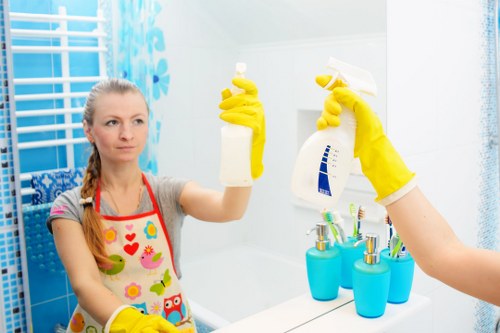
Office cleaning plays a major role in how a business operates and how it is perceived. When a workspace is clean and orderly, people feel more comfortable and confident. Clients are more likely to trust a business that maintains a polished environment, while employees often feel more motivated in a fresh and tidy office.
Office cleaning also affects productivity in subtle but important ways. Clutter, dust, and unpleasant odors can distract staff and create unnecessary stress. On the other hand, a clean workspace encourages better concentration and more efficient work habits. Clean offices also help reduce the risk of allergy triggers and illness-causing germs, which can lead to fewer absences and smoother day-to-day operations.
There is also a practical side to office cleaning that businesses should not overlook. Regular maintenance protects office furniture, flooring, fixtures, and electronics from dirt buildup and wear. By investing in consistent cleaning, companies can extend the life of their assets and avoid costly replacements or repairs. In short, office cleaning is both a visual improvement and a smart operational decision.
What Professional Office Cleaning Typically Includes
Professional office cleaning usually covers a broad range of tasks designed to keep the workplace clean, hygienic, and presentable. The exact services may vary depending on the size of the office and the needs of the business, but most plans include a mix of daily, weekly, and periodic cleaning duties.
Common office cleaning tasks often include:
- Dusting desks, shelves, ledges, and office furniture
- Vacuuming carpets and mopping hard floors
- Cleaning and disinfecting high-touch surfaces such as door handles and light switches
- Emptying waste bins and replacing liners
- Sanitizing restrooms, sinks, and fixtures
- Wiping down kitchen counters, appliances, and shared eating spaces
- Cleaning glass doors, windows, and internal partitions
- Maintaining reception areas and meeting rooms
Some office cleaning providers also offer specialized services such as deep carpet cleaning, upholstery care, floor polishing, and post-event cleanup. These additional services are especially useful for businesses that host clients frequently or operate in high-traffic settings. A tailored office cleaning plan ensures that the work matches the realities of the space rather than relying on a one-size-fits-all approach.
Creating a Clean and Healthy Workplace Environment

Cleanliness has a direct impact on workplace health, and office cleaning is one of the easiest ways to support a healthier environment. Germs spread quickly in shared spaces, especially where people touch the same surfaces throughout the day. Routine cleaning and disinfection help lower that risk and create a safer setting for everyone.
Air quality is another area where office cleaning matters. Dust, pollen, and other particles can collect in carpets, vents, and upholstery if they are not maintained properly. A good office cleaning routine reduces buildup and helps keep indoor air fresher. This is particularly important for employees with allergies or respiratory sensitivities.
Health-focused office cleaning should also address shared spaces that are often overlooked. Break rooms, microwave handles, fridge doors, coffee machines, and printer stations can all harbor bacteria if they are not cleaned regularly. Professional office cleaning helps ensure these areas receive the attention they need, creating a better experience for staff and visitors.
Office Cleaning and Employee Productivity
How a Tidy Space Supports Focus
Productivity and cleanliness are closely connected. When desks are cluttered and common areas feel neglected, employees may struggle to stay organized and focused. Office cleaning helps create an environment where staff can think clearly, move efficiently, and work without unnecessary distractions.
Many businesses underestimate the mental effect of a clean workspace. A neat and hygienic office can reduce stress, improve morale, and encourage a sense of professionalism. Employees often take better care of their own areas when the office as a whole is maintained well. This creates a positive cycle in which office cleaning supports better habits, and better habits support cleaner spaces.
Managers also benefit from investing in office cleaning because it helps establish a standard of excellence. When cleanliness is treated as part of the company culture, it sends a message that the business values detail, order, and respect for the workplace. That message can influence team performance and the overall atmosphere in a meaningful way.
Small Improvements That Make a Big Difference
Even simple cleaning improvements can have a noticeable effect. Clear bins, sanitized desks, streak-free glass, and tidy meeting rooms can transform the look and feel of an office. These details may seem minor, but together they build a stronger environment that supports daily success.
Choosing the Right Office Cleaning Approach
Not every office needs the same cleaning schedule or service level. The right office cleaning approach depends on factors such as office size, staff count, foot traffic, layout, and the type of work being done. A busy customer-facing office may need more frequent attention than a small back-office operation.
When choosing an office cleaning plan, businesses should consider the following:
- Daily needs – Which areas require attention every day, such as restrooms, kitchens, and reception spaces?
- High-traffic zones – Which surfaces are touched frequently and need regular disinfection?
- Special materials – Are there carpets, wood floors, glass surfaces, or sensitive equipment that require specific care?
- Business hours – Should cleaning happen before work begins, after hours, or during quiet periods?
- Seasonal concerns – Do winter weather, summer dust, or allergy seasons affect cleaning priorities?
With the right plan in place, office cleaning becomes more efficient and more effective. A customized schedule prevents both over-cleaning and under-cleaning, helping businesses use their resources wisely while still maintaining a high standard of cleanliness.
High-Impact Areas That Need Regular Office Cleaning

Some areas in an office require extra attention because they are used frequently or contribute strongly to the first impression people receive. Office cleaning should always prioritize these high-impact spaces.
Important zones to focus on include:
- Reception areas – This is often the first part of the office that clients and guests see.
- Meeting rooms – Tables, chairs, screens, and glass surfaces should be spotless for professional presentations.
- Workstations – Desks and surrounding surfaces can collect dust, crumbs, and fingerprints quickly.
- Restrooms – Clean restrooms are essential for hygiene and overall comfort.
- Kitchens and break rooms – Shared food areas need thorough and frequent cleaning.
- Entryways and corridors – These areas gather dirt and debris from foot traffic and should be kept tidy.
Office cleaning is most effective when it is organized around these priority spaces. When the areas that matter most are cleaned consistently, the office feels fresher, looks better, and functions more smoothly. This strategic approach also helps businesses make the most of their cleaning budget.
Daily, Weekly, and Deep Office Cleaning Routines
Building a Practical Cleaning Schedule
A well-designed office cleaning schedule usually combines daily upkeep, weekly maintenance, and occasional deep cleaning. Daily tasks keep the office presentable and hygienic, while weekly and monthly work address buildup and less visible dirt.
Daily office cleaning often includes wiping down surfaces, sanitizing shared touchpoints, emptying bins, and cleaning restrooms. Weekly office cleaning may involve vacuuming more thoroughly, mopping floors, polishing glass, and cleaning kitchen appliances in greater detail. Deep cleaning can include carpet extraction, vent dusting, upholstery care, and attention to areas behind furniture or equipment.
This layered approach is highly effective because it prevents dirt from accumulating and helps maintain consistency. Rather than waiting until problems become obvious, office cleaning routines keep standards high all year round. Businesses that follow a structured schedule usually enjoy a cleaner appearance and fewer hygiene issues overall.
Why Routine Matters
Consistency is one of the biggest advantages of professional office cleaning. Regular attention means fewer surprises, less disruption, and a workplace that always feels ready for business.
The Role of Office Cleaning in Client Impressions
Clients, partners, and potential hires often form opinions about a company within minutes of entering the office. A clean and organized space communicates competence, care, and attention to detail. Office cleaning therefore supports branding just as much as it supports hygiene.
Stained carpets, dusty furniture, or overflowing bins can quietly undermine trust, even if the company does excellent work. By contrast, spotless glass, fresh-smelling rooms, and well-maintained communal areas create confidence. Office cleaning helps ensure that the physical workspace matches the professionalism of the business itself.
For businesses that regularly host meetings or interviews, appearance matters especially. A polished office can set the right tone for important conversations. It signals that the company values quality and takes the workplace seriously. In a competitive market, these impressions can make a difference.
Office Cleaning for Different Types of Workplaces
Adapting to the Needs of the Space
Office cleaning is not limited to traditional corporate settings. It is relevant for coworking spaces, administrative offices, medical offices, legal firms, creative studios, and many other workplace types. Each environment has different cleaning needs and expectations.
For example, a coworking space may require constant attention to shared desks, kitchens, and meeting pods because of heavy traffic and frequent turnover. A professional services firm may place more emphasis on presentation, privacy, and glass surfaces. A medical-adjacent office may need strict hygiene measures and disinfecting protocols. Office cleaning services should adapt to these differences to remain effective.
When the cleaning plan reflects the actual use of the space, results are much better. Businesses can maintain a cleaner environment without wasting effort on irrelevant tasks. This flexibility is one of the reasons office cleaning continues to be a valuable service across industries.
Customization Is Key
Every workplace has unique rhythms, which is why customized office cleaning is often the best choice. It ensures the right level of care for each room, surface, and schedule.
Eco-Friendly Office Cleaning and Sustainable Practices
Many businesses now look for greener ways to maintain their workplace, and office cleaning can support that goal. Eco-friendly office cleaning uses products and methods designed to reduce environmental impact while still delivering excellent results. This may include low-toxicity products, microfiber tools, controlled water usage, and waste reduction practices.
Sustainable office cleaning is appealing for several reasons. It can create a healthier indoor environment by reducing exposure to harsh chemicals. It also aligns with the values of organizations that care about social responsibility and environmental stewardship. In some cases, green office cleaning can even support company initiatives related to wellness and corporate sustainability.
Choosing eco-conscious office cleaning does not mean compromising on quality. In many cases, modern green products and methods are highly effective when applied properly. Businesses that want to improve their image while supporting healthier surroundings often find this approach especially attractive.
How Office Cleaning Protects Equipment and Facilities
Office cleaning does more than improve appearance. It also helps protect the physical assets that businesses rely on every day. Dust, dirt, and spills can damage computers, printers, carpets, flooring, and furniture if they are not addressed quickly and consistently.
For example, dust buildup inside electronics can affect performance over time. Carpet fibers can wear down faster when grit is allowed to accumulate. Hard floors may lose their finish if they are not maintained correctly. Office cleaning helps minimize these issues by keeping surfaces and equipment in better condition.
This protection is especially important for businesses that want to avoid unnecessary repair costs. By keeping the workplace clean, companies preserve both function and appearance. That makes office cleaning a practical investment in long-term asset care.
Common Office Cleaning Mistakes to Avoid
How Businesses Can Raise Their Standards
Even well-meaning businesses can make mistakes when it comes to office cleaning. One common issue is focusing only on visible areas while ignoring corners, vents, and hidden surfaces. Another mistake is cleaning too infrequently, allowing dirt and germs to build up over time.
Other mistakes include using the wrong products on delicate surfaces, overlooking shared touchpoints, and failing to adapt cleaning routines to changing office usage. For instance, a room that is only occasionally used may need less frequent cleaning, while a conference area with daily meetings may need more attention. Effective office cleaning depends on observation and planning.
Avoiding these mistakes can improve results significantly. Businesses should aim for a routine that is practical, reliable, and responsive. When office cleaning is done thoughtfully, it supports the workplace instead of becoming an afterthought.
Benefits of Hiring Professional Office Cleaning Services
Many companies choose professional office cleaning because it offers consistency, convenience, and better results than sporadic in-house cleaning. Trained cleaners bring experience, proper tools, and efficient methods that help maintain a high standard across all office areas.
Professional office cleaning can also save time. Instead of asking employees to manage shared cleaning duties, businesses can focus staff energy on core tasks. This can improve morale and productivity while ensuring that cleaning is handled with the appropriate level of detail.
Another benefit is reliability. Professional office cleaning services usually follow a set process and can provide regular support according to the office’s needs. That steady approach helps businesses maintain cleanliness without constant oversight.
How to Maintain Office Cleaning Standards Every Day
Maintaining strong office cleaning standards requires teamwork and clear expectations. Even when professional cleaners are involved, employees can play a helpful role by keeping their own spaces tidy and respecting shared areas.
Useful habits include disposing of trash properly, cleaning up spills quickly, returning items to shared spaces, and keeping desks free from unnecessary clutter. Managers can reinforce these habits by setting expectations and making cleanliness part of the office culture.
Simple reminders and practical systems also help. For example, placing sanitizing supplies in accessible locations, labeling bins clearly, and encouraging regular desk organization can support the overall office cleaning routine. The more naturally these habits fit into the workday, the easier it becomes to sustain a clean environment.
Final Thoughts on Office Cleaning
Office cleaning is an essential part of running a successful, professional, and healthy workplace. It influences productivity, client perception, employee morale, and the long-term condition of office assets. Whether a business needs daily upkeep, specialized care, or periodic deep cleaning, the right strategy makes a real difference.
By focusing on consistency, high-touch surfaces, shared spaces, and customized routines, businesses can create a workplace that feels polished and well cared for. Office cleaning is not just about appearance; it is about creating the kind of environment where people can do their best work and feel good doing it.
If your workplace is ready for a higher standard of cleanliness, contact us today and book your service now to experience the benefits of professional office cleaning done right.