Deep Cleaning in Modern Homes: A Practical Approach to a Fresher, Healthier Space
Deep cleaning in any home is more than a quick tidy-up. It is a focused, room-by-room process that reaches the places daily cleaning often misses, helping restore freshness, improve hygiene, and create a more comfortable living environment. Whether you are preparing for guests, refreshing your home after a busy season, or simply aiming for a healthier indoor space, deep cleaning delivers visible and lasting results.
Many households rely on routine cleaning to keep surfaces neat, but that alone does not address built-up grime, hidden dust, lingering odors, or neglected corners. Deep cleaning in kitchens, bathrooms, bedrooms, and living areas brings attention to details that can make a major difference in how a home looks and feels. It also supports better air quality, reduces allergens, and helps preserve furniture, fixtures, and flooring over time.
In this article, you will learn what deep cleaning involves, why it matters, how to organize it effectively, and how to maintain the results afterward. If your home feels like it needs a reset, deep cleaning may be exactly what it needs. Book your service now or use these insights to create your own cleaning plan.
What Deep Cleaning in a Home Really Means
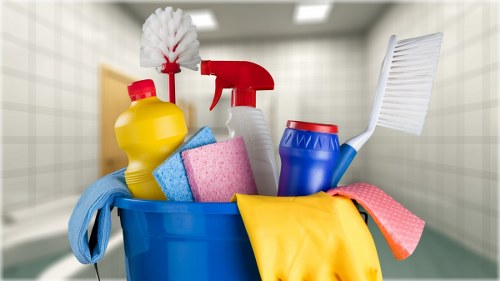
Deep cleaning in a home means going beyond the surface. It involves cleaning tasks that are less frequent but more intensive, such as scrubbing grout, wiping baseboards, removing buildup behind appliances, sanitizing high-touch areas, and cleaning inside cabinets or drawers. Unlike standard housekeeping, this process focuses on the areas that are easy to overlook during weekly maintenance.
A strong deep cleaning routine usually targets dirt that has accumulated over time. That includes soap residue in the bathroom, grease in the kitchen, dust on vents, pet hair under furniture, and smudges on doors and switches. These hidden layers can affect appearance, smell, and overall hygiene more than many people realize.
Deep cleaning is also about prevention. By addressing buildup early, you can reduce wear and tear, stop stains from becoming permanent, and keep your home easier to maintain in the long run. Regular deep cleaning can save time and money later because problems are handled before they become difficult to reverse.
How It Differs from Routine Cleaning
Routine cleaning keeps your space presentable. Deep cleaning restores it. Routine tasks may include vacuuming, wiping counters, and taking out trash, while deep cleaning adds more detailed work such as moving furniture, disinfecting hidden surfaces, and cleaning appliances inside and out. Both are important, but they serve different purposes.
Think of routine cleaning as maintenance and deep cleaning as renewal. One keeps things under control; the other resets the environment. Homes that receive both types of care tend to stay cleaner, healthier, and more comfortable over time.
Why Deep Cleaning in Your Living Space Matters
There are many reasons people invest time and effort into deep cleaning in their homes. One of the biggest is hygiene. When dirt, dust, and bacteria build up, surfaces can become less sanitary, especially in kitchens and bathrooms. Deep cleaning helps eliminate these contaminants and reduces the risk of germs spreading throughout the home.
Another important benefit is allergen control. Dust mites, pet dander, pollen, and mold spores can collect in carpets, upholstery, curtains, and vents. A thorough deep cleaning helps reduce these irritants, which can be especially helpful for anyone with allergies, asthma, or sensitivities.
Deep cleaning also improves mental well-being. A cleaner environment often feels calmer, more organized, and less stressful. Clutter-free, freshly cleaned rooms can make daily life feel easier and more enjoyable. When your space is truly clean, it is easier to relax, focus, and feel at home.
Long-Term Benefits That Add Value
- Extends the life of carpets, floors, upholstery, and appliances.
- Reduces odor buildup in kitchens, bathrooms, and trash areas.
- Improves air quality by removing dust and trapped particles.
- Makes weekly cleaning faster and easier afterward.
- Helps identify maintenance issues such as leaks, mold, or damage.
From a practical standpoint, deep cleaning in a home is an investment in comfort and maintenance. When you regularly give your space a deeper level of care, it stays in better shape and feels more inviting every day.
Rooms That Benefit Most from Deep Cleaning

While every room benefits from a detailed cleaning routine, some areas need extra attention because they collect more dirt, moisture, or bacteria. Kitchens and bathrooms usually top the list, but bedrooms, living rooms, entryways, and laundry spaces also deserve focused care. Each room has unique cleaning needs, and recognizing them helps you clean more effectively.
Deep cleaning in the kitchen is especially important because food prep areas can harbor grease, crumbs, spills, and germs. Ovens, refrigerators, microwaves, cabinets, sinks, backsplashes, and trash bins often need more attention than a quick wipe-down can provide. Bathrooms, meanwhile, require detailed scrubbing to remove soap scum, hard water stains, mildew, and residue from toilets, sinks, tubs, and tile.
Bedrooms and living rooms may seem cleaner on the surface, but they often collect dust in surprising places. Under beds, behind dressers, along baseboards, and inside upholstery, buildup can linger unnoticed. Deep cleaning these spaces can make the home feel fresher and more restful.
High-Priority Zones to Focus On
- Kitchens: Appliance interiors, cabinet fronts, backsplash, sink drains, and handles.
- Bathrooms: Tile grout, shower doors, vents, mirrors, faucets, and toilet bases.
- Bedrooms: Mattress surfaces, under-bed areas, curtains, and closet shelves.
- Living areas: Sofas, rugs, electronics, corners, and hidden dust traps.
- Entryways: Door frames, floors, shoe storage, and high-touch surfaces.
By prioritizing these zones, you can create a more efficient cleaning plan and see results faster. Deep cleaning in the right places often makes the biggest visual and hygienic impact.
How to Plan an Effective Deep Cleaning Routine

Successful deep cleaning starts with a plan. Without one, it is easy to feel overwhelmed or miss important details. A room-by-room checklist helps you stay organized and ensures the job gets done thoroughly. It is usually best to break the work into manageable sections rather than trying to clean the entire home in one day.
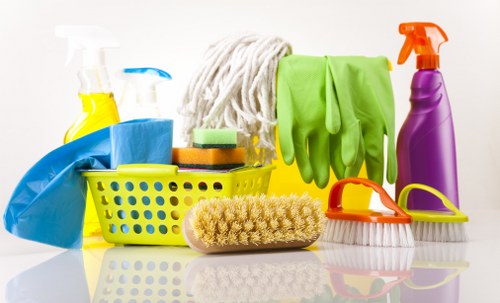
Begin by gathering supplies. Common items include microfiber cloths, scrub brushes, disinfectant, glass cleaner, vacuum attachments, mop solutions, gloves, sponges, and an all-purpose cleaner. For tougher jobs, you may also want degreaser, grout cleaner, or stain-specific products. Having everything ready before you start makes the process smoother and more efficient.
Timing matters too. If possible, deep cleaning in your home should be scheduled when you have enough time to work without rushing. Many people choose weekends, seasonal transitions, or before major events. Others divide the work into zones and clean one area per day.
Simple Planning Steps
- Choose one room or zone at a time.
- Remove clutter before detailed cleaning begins.
- Work from top to bottom so dust falls onto areas you have not cleaned yet.
- Use the right product for each surface.
- Allow time for drying, airing out, and final checks.
Consistency is key. A thoughtful plan makes deep cleaning feel less like a chore and more like a structured reset. It also helps you keep results longer because every step has a purpose.
Deep Cleaning in the Kitchen: Where the Real Work Happens
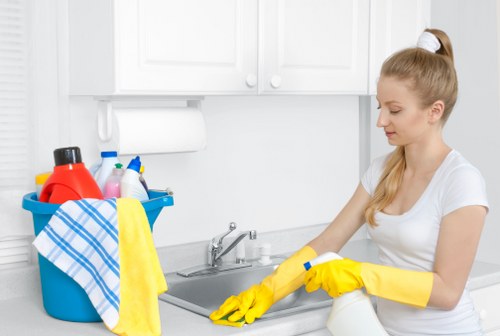
The kitchen is one of the most important places to focus on during a deep cleaning session. Since food, grease, and moisture are involved daily, this area can accumulate grime quickly. A thorough kitchen clean improves sanitation, removes stubborn residue, and makes the room more pleasant to use.
Start with appliances. The oven often needs special attention because baked-on spills and grease can build up inside and around the door. The refrigerator should be emptied, shelves removed if possible, and interior surfaces wiped down. The microwave, toaster, dishwasher exterior, and range hood also benefit from a detailed clean.
Counters, cabinet doors, and backsplashes should be wiped and sanitized. Sinks deserve special care because they collect food particles and bacteria. Do not forget handles, knobs, switches, and edges, as these high-touch spots are often missed during regular tidying. Deep cleaning in the kitchen should also include sweeping and mopping under and behind movable items when possible.
Kitchen Deep Cleaning Checklist
- Clean inside and outside of the refrigerator.
- Scrub the sink, faucet, and drain area.
- Degrease stovetops, ovens, and range hood filters.
- Wipe cabinet doors, handles, and drawer fronts.
- Sanitize counters, switches, and small appliances.
- Mop floors and clean behind movable furniture or appliances.
When done properly, a kitchen deep cleaning can completely change how the space feels. It becomes more sanitary, more organized, and more enjoyable for cooking and gathering.
Bathroom Deep Cleaning for a Fresher, Healthier Space
Why Bathrooms Need Extra Attention
Bathrooms are moisture-heavy spaces, which makes them ideal for soap scum, mildew, hard water spots, and bacteria buildup. Because of that, deep cleaning in bathrooms requires careful attention to detail. A clean bathroom not only looks better but also supports better hygiene for everyone in the household.
Start with the shower and tub. Scrub tiles, grout, doors, and fixtures to remove residue and stains. Then move to sinks, faucets, mirrors, and countertops. Toilets require full exterior cleaning, including the base and behind the bowl where dust and grime often settle. Don’t forget vents, light switches, and door handles.
Bathroom floors should be thoroughly vacuumed or swept before mopping, especially around edges and behind fixtures. If there is visible mildew or recurring moisture, address the source as part of the cleaning process. A bathroom can look polished on the surface, but deep cleaning helps it stay truly fresh underneath.
Useful Bathroom Focus Areas
- Scrub grout lines and tile corners.
- Clean shower heads and faucet fixtures.
- Wipe mirrors and glass until streak-free.
- Sanitize toilet handles, seats, and bases.
- Remove dust from vents and shelves.
If you want a bathroom to feel spa-like, deep cleaning is essential. It removes the buildup that routine tidying often leaves behind and restores a cleaner, brighter atmosphere.
Living Room and Bedroom Deep Cleaning Tips
Creating Comfort in the Rooms You Use Most
Living rooms and bedrooms are where people relax, sleep, and spend a lot of quiet time. Because of that, these areas should be clean, dust-free, and comfortable. Deep cleaning in these rooms focuses on fabrics, hidden dust, corners, and surfaces that gather dirt over time.
For living rooms, start with furniture. Vacuum cushions, clean underneath sofas, and wipe down tables, shelves, and entertainment units. Dust often collects on decorative items, lamps, blinds, and electronics. Rugs and carpets should be vacuumed carefully, and stains should be treated as needed. If you have pets, pay extra attention to hair and dander buildup.
Bedrooms deserve a similar level of care. Sheets and bedding should be washed, mattresses vacuumed, and under-bed spaces cleaned. Closets, nightstands, window sills, and baseboards can also hold dust and clutter. A deep-cleaned bedroom often feels more restful, which can improve sleep quality and overall comfort.
Smart Bedroom and Living Room Habits
- Move items before dusting so hidden areas are exposed.
- Vacuum upholstery with the right attachment.
- Use microfiber cloths to trap dust instead of spreading it.
- Rotate cushions and pillows during cleaning.
- Keep clutter low so surfaces stay easier to maintain.
These rooms may not be as moisture-prone as kitchens or bathrooms, but they still benefit greatly from periodic deep cleaning. The result is a calmer, cleaner, and more welcoming home atmosphere.
How Often Should Deep Cleaning in the Home Be Done?
The ideal frequency depends on lifestyle, household size, pets, allergies, and overall usage. In many homes, a thorough deep cleaning works well every few months, while certain rooms may need more frequent attention. Busy kitchens and bathrooms often require more regular detail work than guest rooms or storage areas.
Seasonal cleaning is a popular approach because it aligns with weather changes and household transitions. Spring and fall are common times to refresh the home, but deep cleaning can happen any time there is a need for a reset. After renovations, before hosting events, or following a period of heavy use, a deep clean can be especially valuable.
Some homes benefit from monthly deep-cleaning tasks split into smaller pieces. For example, you might clean appliances one week, windows the next, and upholstery after that. This method makes deep cleaning in the home more manageable while still maintaining high standards.
Signs It Is Time for a Deep Clean
- Persistent odors that do not go away after regular cleaning.
- Visible dust in corners, vents, or behind furniture.
- Grease, soap scum, or grime that keeps returning.
- Allergy symptoms that seem worse indoors.
- Rooms that feel dull, cluttered, or neglected.
When these signs appear, it is a good indicator that the home needs more than basic upkeep. A deeper reset can make a dramatic difference quickly.
Professional Deep Cleaning vs DIY Cleaning
Choosing the Right Approach for Your Needs
Many homeowners handle deep cleaning themselves, especially when they have time, energy, and the right supplies. DIY cleaning can be satisfying and cost-effective. It also allows you to focus on the rooms and details that matter most to your household.
However, professional services can be a smart choice when the job is extensive, time is limited, or specialized equipment is needed. Professional teams often work faster and may have access to stronger tools for steam cleaning, carpet treatment, grout cleaning, or stubborn buildup removal. If your home needs a major reset, expert help can save effort while achieving excellent results.
Both approaches have value. The best choice depends on the size of the job, your schedule, and the level of detail needed. For example, you might handle light deep cleaning yourself and bring in professionals for larger seasonal work or hard-to-reach areas.
When Professional Help Makes Sense
- After a move-in or move-out situation.
- When allergies or health concerns require extra sanitation.
- After a renovation or major home project.
- For heavily used homes with pets or children.
- When appliances, carpets, or grout need specialized care.
Whether done by you or by professionals, deep cleaning in the home should always aim for detail, consistency, and long-lasting freshness. If the workload feels overwhelming, contact us today to get the support your home needs.
Best Practices to Keep Your Home Cleaner After Deep Cleaning
Once a home has been thoroughly cleaned, the goal is to preserve the results as long as possible. That starts with small habits that prevent buildup from returning too quickly. Daily and weekly maintenance makes a huge difference in how long the home stays fresh.
One helpful strategy is to use a simple maintenance schedule. For instance, wipe kitchen counters daily, clean bathroom surfaces several times a week, vacuum high-traffic areas regularly, and dust surfaces before buildup becomes visible. These smaller tasks reduce the need for large-scale deep cleaning too often.
Organization also helps. Fewer loose items mean fewer surfaces collecting dust. Proper storage, clutter control, and regular decluttering all support a cleaner environment. When your home is easier to maintain, deep cleaning becomes less stressful and more effective.
Maintenance Habits That Work
- Address spills and stains immediately.
- Use mats at entrances to limit dirt spread.
- Rotate and wash linens, blankets, and cushion covers.
- Keep cleaning supplies accessible for quick touch-ups.
- Schedule periodic deep-cleaning tasks before buildup becomes heavy.
Deep cleaning in your home is most effective when supported by daily habits. Together, they create a space that looks better, feels healthier, and stays easier to manage.
Final Thoughts on Deep Cleaning in a Modern Home
Deep cleaning is one of the most valuable ways to care for your living space. It removes hidden dirt, restores freshness, supports better hygiene, and makes every room more pleasant to use. From kitchens and bathrooms to bedrooms and living areas, a detailed approach can transform the way your home looks and feels.
It is not just about appearance. Deep cleaning in the home also protects surfaces, reduces allergens, and creates a more comfortable environment for everyday living. Whether you do it yourself or hire professionals, the benefits are clear and lasting.
If your home is overdue for a reset, now is the right time to act. Build a plan, tackle one area at a time, and enjoy the results of a cleaner, more refreshing space. Book your service now or start your own cleaning routine today for a home that feels truly renewed.