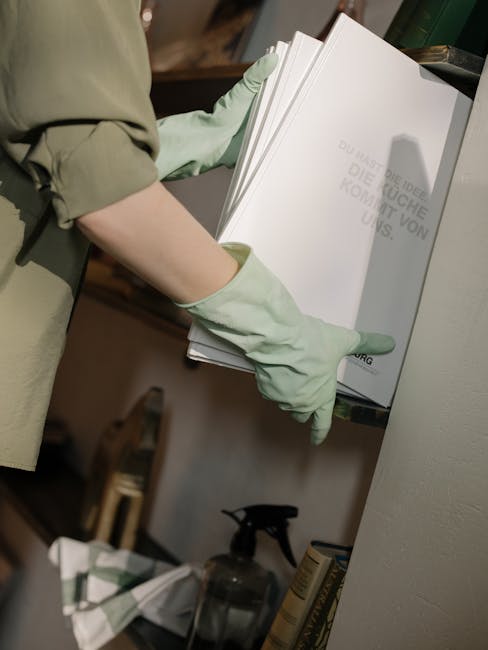
Strawberry Hill end of tenancy cleaning guide TW1

Moving out is rarely as simple as packing a few boxes and handing back the keys. There's the last-minute cupboard you forgot, the marks on the skirting board, and that one patch behind the radiator that only seems to appear when you're already tired. This Strawberry Hill end of tenancy cleaning guide TW1 is here to make the whole process calmer, clearer, and a lot more manageable.
Whether you're a tenant trying to protect your deposit, a landlord preparing for new occupants, or an agent wanting the property to look right first time, the goal is the same: leave the place clean, tidy, and ready for inspection. In a neighbourhood like Strawberry Hill, where many homes are well-kept, older, or full of detail, a proper end of tenancy clean can make the difference between a smooth handover and a frustrating dispute.
Below, you'll find a practical guide to what end of tenancy cleaning involves, how it usually works, where people go wrong, and what a sensible checklist looks like in real life. No fluff. Just useful detail you can actually use.
Quick takeaway: End of tenancy cleaning is not just "giving the flat a quick once-over." It's a deep, room-by-room clean that aims to return the property to the standard expected at check-out, subject to fair wear and tear.
- Why Strawberry Hill end of tenancy cleaning guide TW1 matters
- How it works
- Key benefits and practical advantages
- Who needs this and when it makes sense
- Step-by-step guidance
- Expert tips for better results
- Common mistakes to avoid
- Tools, resources and recommendations
- Law, compliance, standards and best practice
- Options, methods and comparison
- Case study or real-world example
- Practical checklist
- Conclusion
- Frequently asked questions
Why Strawberry Hill end of tenancy cleaning guide TW1 Matters
End of tenancy cleaning matters because the final state of the property can influence deposit returns, landlord satisfaction, and how quickly the next tenancy can begin. In Strawberry Hill, where tenants often move between family homes, riverside flats, and period properties, the expectations can feel a bit higher than a casual weekly clean. Not unfairly so. Just thoroughly.
Let's face it: most check-outs are done quickly, and small issues become noticeable very fast. Dust on light fittings, grease in the oven, limescale around taps, and carpets that look tired under daylight can all stand out far more than they did when you were living there day to day. That's especially true in homes with lots of natural light, older woodwork, or detailed finishes.
The practical reason this matters is simple. A clean property reduces the chance of avoidable deductions or awkward conversations after you move out. It also helps create a smoother transition for landlords and letting agents, which is often appreciated more than people realise. When a handover feels tidy and professional, everyone breathes a little easier.
There's another angle too. A proper end of tenancy clean is often more efficient than trying to piece together several smaller cleans at the last minute. You can spot what needs attention, prioritise the rooms that matter most, and avoid the usual moving-day chaos. If you've ever been moving while balancing keys, boxes, and a kettle that's somehow already packed, you'll know the feeling.
How Strawberry Hill end of tenancy cleaning guide TW1 Works
At its core, end of tenancy cleaning is a deep clean carried out before the property is handed back. It goes beyond regular domestic cleaning and focuses on the areas most likely to be checked during inventory or checkout inspection. Think kitchens, bathrooms, skirting boards, flooring, appliances, and hard-to-reach spots that gather dust over time.
The process usually starts with a walkthrough. That might be done by the tenant, landlord, or cleaning team, depending on who is organising it. The point is to identify what needs attention: grease on splashbacks, soap residue in shower screens, fingerprints on doors, or marks on walls that need gentle treatment rather than brute force.
After that, the cleaning is usually done room by room. In a good plan, you clean from top to bottom, dry areas before wet ones, and leave floors until the end. It sounds obvious, but people forget. And then they wonder why they're mopping the same patch twice.
For many properties, the kitchen and bathroom demand the most time because they collect the heaviest grime. Oven cleaning, descaling, sink polishing, and cabinet wipe-downs are often the difference between a decent finish and a proper end-of-tenancy standard. Bedrooms and living areas still matter, of course, but they're usually less technically demanding unless carpets, upholstery, or windows need extra attention.
If the property has furnishings, soft furnishings, or specialist surfaces, the method needs adjusting. That's where services like end of tenancy cleaning often overlap with related tasks such as carpet cleaning, oven cleaning, or window cleaning. These extra services are not always essential, but they can be the bits that make the property feel genuinely ready.
Key Benefits and Practical Advantages
A well-planned end of tenancy clean offers more than a tidy finish. It reduces stress, strengthens your position during check-out, and helps the property present well for the next occupant. In a local area like Strawberry Hill, where presentation matters and homes are often expected to feel well cared for, that really counts.
- Better chance of a smoother deposit return: A thorough clean helps avoid deductions linked to cleanliness issues.
- Less last-minute pressure: When the plan is clear, you don't end up scrubbing skirting boards at 10 pm with a mug of tea gone cold.
- Improved handover experience: A clean property tends to feel more professional and cooperative at checkout.
- More effective use of time: A structured clean is much faster than random tidying with no order.
- Stronger property presentation: This matters for landlords, agents, and anyone preparing for new tenants quickly.
There's also a psychological benefit people forget. Once the cleaning is done properly, the move actually feels finished. Not half-finished. Not "we'll sort that tomorrow." Finished. That matters more than it sounds like it should.
Who This Is For and When It Makes Sense
This guide is useful for tenants, landlords, letting agents, and even homeowners preparing a property for sale or new occupancy. Different people have different priorities, but the cleaning fundamentals are similar.
Tenants
If you're moving out of a rented home in TW1, the most obvious reason to follow this guide is deposit protection. You do not need perfection, but you do need a clean that matches the agreed condition, allowing for fair wear and tear. If you've lived in the property for a long time, a little extra effort around fixtures, fittings, and appliances is well worth it.
Landlords and agents
For landlords, a proper end of tenancy clean shortens the gap between tenants and helps maintain the property's condition. For agents, it reduces the risk of complaints and awkward back-and-forth after checkout. Small thing, big difference.
Families and sharers
Shared homes can be tricky because responsibility gets blurred. One person thinks the kitchen has been done, another thinks the oven is someone else's problem, and before you know it, everyone is "sort of sure" it's handled. A clear cleaning plan avoids that mess.
When it makes sense to book help
It makes sense to bring in professional help if the property is large, the tenancy ends on a tight deadline, or the home has heavy-use areas that need specialist attention. It can also be a sensible option if you're already juggling a move, childcare, work, and the general chaos that comes with leaving a place you've lived in for years.
Step-by-Step Guidance
The best results come from a methodical approach. If you try to clean everything randomly, you'll miss things. That's just how it goes.
- Check the tenancy agreement and inventory notes. Look for any cleaning requirements, listed items, or existing marks. This helps you focus on what matters rather than cleaning blindly.
- Declutter and remove personal belongings. It's hard to clean properly around packed boxes, forgotten chargers, and that one shoe under the bed. Clear the space first.
- Start high and work down. Dust shelves, light fittings, curtain rails, and tops of cabinets before you touch floors.
- Deep clean the kitchen. Degrease worktops, splashbacks, cupboard fronts, handles, sink areas, extractor fans, and appliances. Pay special attention to the oven, which usually needs more effort than people expect.
- Reset the bathroom. Descale taps, clean grout where needed, polish mirrors, clear drains if practical, and remove soap residue from glass, tiles, and shower trays.
- Handle the living spaces. Wipe switches, doors, skirting boards, shelves, and internal windows. Vacuum edges and corners properly.
- Tackle bedrooms and storage areas. Empty wardrobes, wipe shelves, and vacuum behind furniture if access allows.
- Finish floors last. Vacuum carpets thoroughly and mop hard floors only after the dust has settled.
- Do a final inspection in daylight. This is where you'll catch streaks, smears, and the odd forgotten patch. Morning light helps. Evening lighting can be flattering in all the wrong ways.
If you want a fuller property-wide approach, services such as deep cleaning, move out cleaning, and move in cleaning are often useful comparisons because they show how a property-level clean differs from routine upkeep.
Expert Tips for Better Results
In our experience, the difference between an acceptable clean and a strong one is usually in the details. Not the obvious stuff. The little overlooked bits.
- Use the right cloth for the surface. Microfibre is great for most areas, but delicate finishes may need something softer.
- Don't overwet anything. Too much liquid can mark wood, soak carpets, or leave streaks on glass. More product is not always better. Annoying, but true.
- Work in sections. One kitchen cupboard at a time is better than opening five and finishing none.
- Let cleaning products sit when needed. Grease and limescale respond better to a short dwell time than to hurried scrubbing.
- Check neglected spots. Behind toilets, around taps, along seals, under appliances, and on top of door frames.
- Photograph the finish. A few clear pictures can be useful at check-out if there's any disagreement later.
A small local observation: properties in and around Strawberry Hill often mix older features with modern fittings, and that can mean different cleaning methods in the same room. One minute you're wiping a contemporary handleless unit, the next you're careful around a period moulding. Treat each surface on its own terms.
Also, if you're cleaning after years in the property, don't aim for impossible perfection. Aim for proper, honest cleanliness. There's a difference, and a fair inspector will understand it.
Common Mistakes to Avoid
People usually don't fail end of tenancy cleaning because they didn't try. They fail because they focused on the wrong things or ran out of time.
- Leaving the oven until the end: It often takes longer than expected and can derail the whole schedule.
- Ignoring limescale: Especially in kitchens and bathrooms, this gives the impression of poor maintenance even when the rest of the place is clean.
- Forgetting doors and frames: Fingerprints, smudges, and dust collect quietly there.
- Not checking storage spaces: Empty wardrobes, cupboards, and utility shelves should be wiped out, not just emptied.
- Cleaning in poor light: If you can't see it, you might not clean it properly. Simple as that.
- Confusing tidiness with cleanliness: A neat room is not automatically a clean room. Big difference.
Another common slip is assuming "general wear and tear" covers everything. It doesn't. Fair wear and tear means ordinary use over time, not built-up dirt or neglected grime. That distinction matters in tenancy situations, and it's worth keeping in mind before check-out.
Tools, Resources and Recommendations
You don't need a van full of specialist gear, but the right tools help a lot. Truth be told, half the battle is just being properly equipped.
| Task | Helpful tools | Why it helps |
|---|---|---|
| Kitchen grease removal | Degreaser, non-scratch sponge, microfibre cloth | Helps lift grease without damaging surfaces |
| Bathroom limescale | Descaler, cloth, old toothbrush for detail work | Useful for taps, shower screens, and tiles |
| Floors and carpets | Vacuum, mop, carpet cleaner if needed | Clears dust, crumbs, and traffic marks |
| Windows and mirrors | Glass cleaner, lint-free cloth | Reduces streaks and improves finish in daylight |
| General detailing | Soft brush, duster, bucket, gloves | Makes corners, frames, and fittings easier to reach |
For broader property care, it can help to compare a move-out clean with related services such as domestic cleaning, one-off cleaning, and oven cleaning. They aren't the same thing, but the comparison makes the scope clearer.
If your tenancy includes furnishings, add upholstery cleaning, sofa cleaning, or mattress cleaning to your thinking where appropriate. Not every property needs all of them, of course. But if there are visible marks, odours, or heavy use, they can be relevant.
Law, Compliance, Standards, or Best Practice
End of tenancy cleaning sits in the space between practical housekeeping and tenancy best practice. It is not usually about chasing some impossible legal perfection; it is about returning the property in a condition that matches the tenancy agreement, the inventory, and ordinary expectations for a professional handover.
In UK rental practice, the key ideas are usually straightforward:
- Fair wear and tear is normal and not the same as dirt or damage.
- Inventory reports matter because they provide the comparison point at check-in and check-out.
- Tenancy agreements may set cleaning expectations, but they should still be reasonable and applied fairly.
- Deposits are commonly a source of disagreement, so evidence of a proper clean can help avoid unnecessary trouble.
Best practice is to clean in a way that is consistent, documented, and careful. That means not only making the place look clean, but also being able to show that the job was done methodically if questions come up later. A quick walkthrough with photos before departure is often a sensible habit. Nothing dramatic. Just practical.
For service providers, compliance also means basic operational standards: safe use of products, respect for surfaces, and attention to health and safety procedures. If you're comparing providers, it's reasonable to review details such as their health and safety policy, insurance and safety, and terms and conditions. Those pages help you understand how a company works and what level of care they're committed to.
It's also worth remembering that clear communication helps avoid confusion. If the property has damaged surfaces, historic wear, or access limitations, say so early. The honest route is almost always the easier one.
Options, Methods, or Comparison Table
There's more than one way to approach end of tenancy cleaning. The right option depends on time, budget, property size, and how much of the work you want to do yourself. Here's a simple comparison to help you decide.
| Option | Best for | Pros | Watch out for |
|---|---|---|---|
| DIY clean | Smaller properties, flexible timelines, budget-conscious moves | Lower cost, full control, easy to schedule | Time-consuming, easy to miss detail areas |
| Mixed approach | Tenants who can do most of it but need help with key tasks | Balances cost and thoroughness | Requires coordination and a clear division of tasks |
| Professional end of tenancy clean | Busy movers, larger homes, furnished properties, tight deadlines | Structured, efficient, better for detailed cleaning | Needs choosing a provider carefully and booking in advance |
There isn't one perfect answer here. If you're moving from a compact flat and have a free weekend, DIY may be enough. If you're leaving a larger home, or if the kitchen has seen years of proper use, a professional clean often saves stress and can improve the final presentation.
Case Study or Real-World Example
Here's a realistic example. A tenant in a Strawberry Hill flat gives notice at the same time as arranging removals, utility handovers, and a final day at work. The flat is tidy, but not really tenancy-ready. The oven has built-up grease, the bathroom has limescale around the taps, and the living room carpet has a faint track mark from the sofa area.
Rather than trying to do everything in one late evening, the tenant breaks the job into two sessions. On day one, they clear belongings, clean the kitchen cupboards, and deal with the bathroom. On day two, they handle floors, windows, skirting boards, and a final inspection in daylight. A separate carpet clean is booked because the carpet is otherwise in good shape but needs a proper refresh.
The key thing is not that the property becomes spotless in a magical way. The key thing is that the work is methodical, visible, and sensible. The flat looks cared for. The checkout goes more smoothly. No one's perfect, but the job gets done properly.
That's the kind of approach this guide is really aiming for. Not theatrical cleaning. Just the kind that leaves fewer questions behind.
Practical Checklist
Use this checklist as a final pass before handover. It's deliberately practical, not fancy.
- All personal belongings removed
- Cupboards, wardrobes, and drawers emptied and wiped
- Kitchen surfaces degreased
- Oven, hob, extractor, and splashbacks cleaned
- Fridge and freezer emptied, defrosted if needed, and cleaned
- Bathroom taps, shower, toilet, sink, and tiles cleaned
- Mirrors and internal glass wiped streak-free
- Skirting boards, doors, handles, and switches wiped
- Dust removed from shelves, frames, and light fittings
- Carpets vacuumed carefully, including edges and corners
- Hard floors swept and mopped
- Bins emptied and cleaned where necessary
- Marks on walls checked and treated gently where appropriate
- Windows cleaned internally
- Final daylight inspection completed
If you have time for one extra pass, make it the places that are easy to miss: the tops of doors, the space behind the toilet, and the area under the bed. Those are the classic "oh no, we forgot that" spots. They always seem to appear at the end, don't they?
Get a free quote today and see how much you can save.
Conclusion
A solid Strawberry Hill end of tenancy cleaning guide TW1 should do more than list chores. It should help you make good decisions under pressure, avoid common mistakes, and leave the property in a condition that stands up to a proper inspection. That's really the heart of it.
Whether you clean the place yourself, split the tasks across a few days, or bring in help for the heavy work, the smartest approach is the one that's organised, realistic, and thorough enough to satisfy the tenancy handover. Focus on the high-impact areas, check the details, and don't leave the final inspection until the last minute if you can help it.
Moving is stressful enough. The cleaning part doesn't have to be chaos. Take it step by step, and you'll be fine.
Frequently Asked Questions
What is included in an end of tenancy clean?
It usually includes a deep clean of kitchens, bathrooms, living areas, bedrooms, floors, fixtures, fittings, and internal windows. The exact scope depends on the property, but the aim is to return it to a clean, presentable condition suitable for checkout.
How is end of tenancy cleaning different from regular cleaning?
Regular cleaning maintains a home day to day, while end of tenancy cleaning is more detailed and inspection-focused. It deals with built-up grime, hidden dust, limescale, grease, and areas that are often missed in a normal weekly clean.
Do tenants have to hire professionals?
Not always. Many tenants clean the property themselves, especially if it is smaller and not heavily used. Professional help can be useful when time is tight, the property is large, or specialist tasks like oven or carpet cleaning are needed.
Will an end of tenancy clean guarantee my deposit back?
No clean can guarantee a deposit return by itself. Deposit outcomes depend on the tenancy agreement, property condition, inventory comparison, and any damage or missing items. A thorough clean does, however, reduce the risk of cleanliness-related deductions.
How long does an end of tenancy clean usually take?
It depends on the size and condition of the property. A small flat may take several hours, while a larger family home can take much longer. If the oven, carpets, or bathrooms need heavy work, allow extra time.
Should I clean the oven myself or book a specialist?
If the oven is only lightly used, you may be able to handle it with the right products and patience. If it has burnt-on residue, heavy grease, or multiple trays and parts to clean, a specialist service is often the easier option.
What if there is existing damage in the property?
Existing damage should be documented rather than hidden by cleaning. Scratches, chipped paint, or worn fittings are different from dirt. It's best to note these clearly and avoid trying to "clean away" something that is actually a maintenance issue.
Do I need to clean carpets for check-out?
If carpets are part of the tenancy and show visible dirt, marks, or odours, then yes, they should be cleaned or vacuumed thoroughly at minimum. Some properties may benefit from professional carpet cleaning, especially if the flooring is heavily used.
Is end of tenancy cleaning the same for furnished and unfurnished homes?
The core process is similar, but furnished homes usually require extra work. Sofas, mattresses, and upholstery may need attention, and more surfaces have to be wiped and checked. Unfurnished homes are often simpler, though still detailed.
What should I check on the final walkthrough?
Look at the kitchen, bathroom, floors, skirting boards, switches, doors, windows, and storage spaces. Check in daylight if possible. That is usually the moment when streaks, dust lines, and missed corners reveal themselves. Bit annoying, yes, but useful.
When should I arrange cleaning before moving out?
Ideally, schedule it close enough to the move that the property stays clean, but not so late that removals or packing get in the way. Many people find it easiest to clean after most belongings are out and before the final key handover.
Are cleaning companies in TW1 useful for more than just end of tenancy work?
Yes, many people also use them for related tasks such as deep cleaning, move-in cleaning, one-off cleaning, or carpet and oven cleaning. It depends on the state of the property and how much time you want to spend doing it yourself.
How do I choose the right cleaning option for my move?
Think about time, property size, how much cleaning has built up, and whether any specialist tasks are involved. A small, tidy flat may only need a structured DIY clean. A larger or more demanding property may be better handled with professional support.