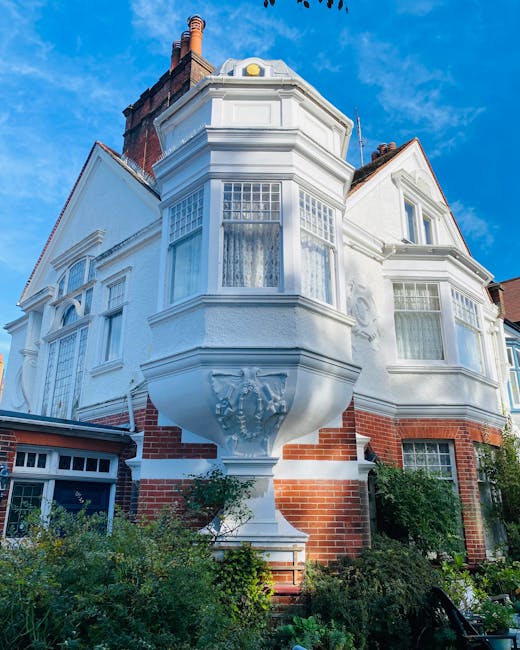
St Margarets Deep Cleaning for Period Homes in Twickenham
If you live in a period property in St Margarets, you already know the charm is in the details: the sash windows, the original floorboards, the little bits of history tucked into every room. But charm can hide grime, and older homes tend to collect dust, grease, and damp-related marks in places a weekly clean just does not reach. That is where St Margarets deep cleaning for period homes in Twickenham becomes genuinely useful. It is not just about making a house look nice for one afternoon. It is about carefully restoring freshness without damaging the features that make the property special.
In this guide, we will look at what deep cleaning actually involves, why period homes need a more careful approach, how the process works in practice, and what to check before booking. You will also find a practical checklist, a comparison table, and a few local-minded tips that make the whole job easier. Truth be told, period homes can be wonderfully forgiving in some ways and surprisingly fussy in others.
Table of Contents
- Why St Margarets deep cleaning for period homes in Twickenham Matters
- How St Margarets deep cleaning for period homes in Twickenham Works
- Key Benefits and Practical Advantages
- Who This Is For and When It Makes Sense
- Step-by-Step Guidance
- Expert Tips for Better Results
- Common Mistakes to Avoid
- Tools, Resources and Recommendations
- Law, Compliance, Standards, or Best Practice
- Options, Methods, or Comparison Table
- Case Study or Real-World Example
- Practical Checklist
- Conclusion
- Frequently Asked Questions
Why St Margarets deep cleaning for period homes in Twickenham Matters
Period homes in St Margarets often have features that need a softer, more informed touch than a newer build. Painted woodwork, ornate coving, older radiators, original tiles, natural stone, and delicate finishes all react differently to cleaning products and pressure. A good deep clean is not about scrubbing harder. It is about cleaning smarter.
Older properties can also hold onto long-term buildup in a way modern homes sometimes do not. Dust settles into mouldings. Kitchen grease lingers around handles and extractor areas. Bathroom limescale clings to taps and grout. Window tracks gather a kind of gritty residue that you only notice when sunlight hits it just right, usually on a Saturday morning when you were hoping for an easy one.
There is also the lived-in factor. Many period homes in Twickenham are family homes, shared homes, or rental properties that see plenty of use. That means more fingerprints, more traffic marks, more shoe grit from the hallway, and more wear in high-touch areas. Deep cleaning helps reset the property so it feels cared for again, not just tidied.
For many homeowners, the value is emotional as well as practical. A well-cleaned period home feels calmer. Rooms breathe a little better. Paintwork looks brighter. The whole place can feel like itself again.
How St Margarets deep cleaning for period homes in Twickenham Works
A proper deep clean usually starts with assessment, not cleaning solution. That first look matters because older homes often have mixed materials and layers of decoration added over time. One room might have modern laminate; the next might have original timber and a painted fireplace. You do not treat them all the same, obviously.
The process normally focuses on high-detail, low-damage cleaning. That means reaching the spots regular cleaning misses: skirting boards, light switches, vents, tops of cabinets, behind appliances, inside cupboard edges, tile grout, window frames, and the narrow places where dust seems to breed for sport.
For period homes, the method should always be guided by the surface, not by force. Mild products, suitable cloths, controlled moisture, and careful agitation are usually better than aggressive chemicals or over-wet methods. A good cleaner will know when to damp-wipe, when to spot-test, and when to leave a fragile finish alone.
In many cases, homeowners combine deep cleaning with other specialist tasks such as oven cleaning, window cleaning, or carpet cleaning. That makes sense in a period property, because one neglected feature can make the whole house feel less fresh.
Key Benefits and Practical Advantages
A good deep clean does more than improve appearances. It changes how a property feels to live in, and it can also help protect finishes that are expensive or awkward to replace.
- Better preservation of original features: careful cleaning reduces the risk of scratching woodwork, dulling paint, or staining stone and tile.
- Improved indoor freshness: removing dust and grease makes rooms feel lighter, especially in older homes with less predictable airflow.
- Less visible wear: fingerprints, scuffs, and film around switches or handles are much easier to tackle during a deep clean.
- More comfortable everyday living: kitchens, bathrooms, and bedrooms feel easier to use when hidden buildup is gone.
- Helpful for selling or letting: presentation matters, and period homes look far better when their character is not overshadowed by grime.
- Better support for routine upkeep: once the deep work is done, regular cleaning becomes quicker and more effective.
One of the less obvious advantages is mental. When an older property is thoroughly cleaned, the clutter of dust and marks disappears from your field of view. That can make the home feel less tiring to manage. Not glamorous, but very real.
Who This Is For and When It Makes Sense
This kind of cleaning is especially sensible if you are dealing with one of the following situations:
- you have just moved into a period property and want a fresh start;
- you are preparing to move out and want the home looking its best;
- the property has not had a proper deep clean for months, or longer;
- you are hosting guests and want the place to feel crisp and comfortable;
- you have had renovation dust, decorating residue, or builder mess;
- your regular cleaner does a good job, but the detail work still builds up;
- you notice a lingering musty smell, sticky kitchen areas, or dull surfaces that never seem to come clean.
It also makes sense after seasonal changes. Spring is obvious, but late autumn is another practical time. Windows get shut more often, wet shoes come through the hallway, and dust plus condensation can make older rooms feel a bit tired. A deep clean then can make winter living much more pleasant.
If the property is used for short lets or occasional hosting, it may help to look at Airbnb cleaning or one-off cleaning as supporting services, depending on how often the property changes hands.
Step-by-Step Guidance
Here is a straightforward way to think about deep cleaning a period home in St Margarets without making it overcomplicated.
- Walk the property first. Note any fragile areas, stained patches, delicate finishes, and rooms that need the most attention.
- Clear surfaces and small items. This allows access to skirting, corners, shelves, and tricky ledges.
- Dust from top to bottom. Start high with shelves and picture rails, then work down to furniture, skirting, and floors.
- Tackle kitchens and bathrooms carefully. These are usually the most detail-heavy areas, with limescale, grease, soap residue, and splashes.
- Clean fixtures and high-touch points. Handles, switches, bannisters, and door frames collect more than people expect.
- Address floors last. Vacuum, sweep, or mop depending on the surface, making sure older materials are treated appropriately.
- Finish with checks. Look at natural light angles, because that is where missed dust or streaks usually show up.
For many homes, the best results come from combining a general deep clean with specific tasks such as sofa cleaning, upholstery cleaning, or mattress cleaning. That is especially true if the house has been lived in for years and fabrics have taken on a bit of everyday life. You know the smell; slightly warm, slightly dusty, not terrible, just there.
Expert Tips for Better Results
Small choices make a big difference in period homes. Here are the practical things that tend to matter most.
- Test products before broad use. Old finishes can react badly, especially on wood, paint, and natural stone.
- Use less moisture than you think. Period materials do not always enjoy being soaked. Damp, controlled cleaning is usually safer.
- Pay attention to ventilation. If a room feels stale, open windows briefly while cleaning, unless weather or security makes that awkward.
- Do not rush the edges. Skirting boards, architraves, and window frames often reveal the real standard of the clean.
- Clean from clean to dirty. Start with the least contaminated areas so you are not dragging grime around the property.
- Work with the building, not against it. A Victorian terrace, a converted flat, and a Georgian-style home each present slightly different quirks.
If you want a broader maintenance rhythm after the deep clean, pairing it with regular cleaning is usually the most sensible way to keep standards up without feeling like you are starting from scratch every month. Honestly, that is where a lot of homeowners breathe a sigh of relief.
Expert summary: the best deep cleaning in a period home is careful, methodical, and surface-specific. The goal is not perfection at any cost; it is a cleaner, healthier-feeling home that still respects the age and character of the building.
Common Mistakes to Avoid
Older homes reward patience. They do not love shortcuts. A few errors show up again and again.
- Using harsh chemicals everywhere. One strong product can damage a delicate finish or leave a dull film behind.
- Over-wetting wood or plaster. This can lead to swelling, staining, or long drying times.
- Ignoring hidden build-up. Behind radiators, beneath appliances, and along tops of doors are classic missed spots.
- Cleaning in the wrong order. If you mop before dusting high areas, you just make more work for yourself.
- Forgetting fabric items. Upholstery, rugs, and mattresses quietly collect dust and odour over time.
- Assuming one method fits all. A cream-painted bannister, a tiled bathroom, and a wood floor need different treatment.
A common one is overconfidence. Someone looks at a room and thinks, "How hard can it be?" and then discovers the original window tracks, the greasy top of the cupboard, and the corners behind the toilet. Three hours later, they are reconsidering life choices. Fair enough, really.
Tools, Resources and Recommendations
You do not need a van full of gear to clean a period home properly, but you do need the right basics.
- microfibre cloths in good condition;
- a vacuum with attachments for edges, upholstery, and crevices;
- soft brushes for corners and decorative detailing;
- mild, surface-appropriate cleaning products;
- a bucket and mop suited to the floor type;
- non-abrasive sponges;
- lint-free cloths for glass and polished surfaces;
- protective gloves where needed;
- small steps or a stable stool for safe reach.
Useful related services can help when the home needs more than one layer of attention. For example, oven cleaning is often the most time-saving add-on in kitchen-heavy homes, while window cleaning can make a period property feel dramatically brighter, especially if you have tall sash windows or street-facing panes that catch every fingerprint.
If you are planning a wider reset, move in cleaning and move out cleaning are worth considering too. They are especially useful when the property has been empty, decorated, or handed over between occupants.
Law, Compliance, Standards, or Best Practice
For most homeowners, the main compliance issue is not a legal minefield. It is sensible care. If a cleaner is working in a property, the standard should be that products are used safely, surfaces are protected, and any risks are handled professionally.
In the UK, people usually expect cleaning work to follow basic health and safety principles: safe use of chemicals, proper handling of equipment, and reasonable care around fragile or slippery surfaces. In period homes, this is especially important because older materials can be less predictable. A professional should be able to explain what they are using, where they will not use it, and why.
It is also good practice to check insurance, security, and clear service terms before booking. If you want to understand those areas, the company pages on insurance and safety, health and safety policy, and terms and conditions are the kind of pages worth reading first. That is not being fussy. It is just sensible.
For households that care about waste and materials, it can also be useful to ask about recycling and disposal practices. Older homes sometimes produce more incidental waste during cleaning than you might expect, especially if you are clearing out storage cupboards or replacing worn items. A thoughtful approach matters.
Options, Methods, or Comparison Table
Not every period home needs the same level of intervention. The right method depends on condition, use, and your goals.
| Cleaning approach | Best for | Pros | Watch-outs |
|---|---|---|---|
| Light deep clean | Homes already maintained fairly well | Quick reset, lower disruption | May not address long-term buildup |
| Room-by-room deep clean | Busy homes with a few problem areas | Focused and practical | Requires clear priorities |
| Whole-property deep clean | Move-ins, move-outs, long gaps between cleans | Best overall finish | Takes longer and needs planning |
| Deep clean plus specialist add-ons | Homes with carpets, upholstery, ovens, or heavy glass | More complete result | Costs more, but often better value |
If a property has a lot of original fabric and soft furnishings, it is often worth pairing the clean with rug cleaning or sofa cleaning. Those items can quietly drag the whole room down if they are tired, even when the rest of the house looks lovely.
Case Study or Real-World Example
Imagine a two-storey period home near St Margarets with a family kitchen, a small bathroom, a sitting room with original woodwork, and two bedrooms that have not had a proper reset in a while. The owners keep on top of everyday tidying, but over time the home starts to feel slightly flat. The kitchen corners look greasy. The bathroom grout has darkened. The sash windows have streaks that catch the morning light.
In that situation, a deep clean would probably begin with the kitchen and bathroom, then move through woodwork, door frames, shelves, sockets, and floors. Soft furnishings would be checked separately. The goal would not be to strip the home bare or make it look brand new. It would be to make it feel cared for again.
After a proper clean, the difference is usually obvious in the small things: the hallway smells fresher, the staircase feels brighter, and even the room temperature can seem more pleasant because dust and grease are not hanging around surfaces. Not magic. Just detail done well.
If the property were being prepared for guests or a handover, combining the work with end of tenancy cleaning or after builders cleaning could make sense depending on the situation. Different jobs, same principle: remove the stuff that gets in the way of a home feeling right.
Practical Checklist
Before booking or starting, run through this checklist. It saves headaches later.
- Identify fragile surfaces, old paint, or delicate stone.
- Decide whether you need a full deep clean or just targeted rooms.
- Remove loose clutter so surfaces can be accessed properly.
- Check whether carpets, sofas, rugs, or mattresses need extra attention.
- Make a note of stubborn problem areas, like limescale or greasy cupboards.
- Confirm the cleaner understands period-home sensitivities.
- Ask what products and methods will be used on different surfaces.
- Check insurance, safety, and service terms before confirming.
- Plan time for ventilation and drying, especially in bathrooms and kitchens.
- Set expectations for finishing touches, like window frames and skirting boards.
Quick takeaway: period homes usually need more care at the edges, not more force in the middle. That simple shift makes a big difference.
For practical planning and to see what may fit your home, you can also review the company's pricing and quotes information before you decide what level of service you need.
Get a free quote today and see how much you can save.
Conclusion
St Margarets has plenty of period homes with character worth protecting, and deep cleaning is one of the best ways to keep that character from being hidden under everyday dirt. Done well, it does more than clean a surface. It restores calm, sharpens the look of the home, and makes the whole place easier to live in.
If you are weighing up whether the job is worth doing properly, the answer is usually yes. Especially in an older home. The right approach is careful, methodical, and a bit patient. Nothing flashy. Just good work, done with respect for the property.
And honestly, when a period home feels fresh again, you notice it straight away. The rooms lift. The light changes. The house feels like itself. That is a good feeling to come home to.
Frequently Asked Questions
What makes deep cleaning different in a period home?
Period homes usually have more delicate and varied surfaces, so deep cleaning needs to be gentler and more specific. Original woodwork, paint, stone, and older fittings can be damaged by harsh chemicals or too much moisture.
How often should a period home in St Margarets be deep cleaned?
That depends on use, size, pets, and how much regular maintenance you do. Many homes benefit from a proper deep clean a few times a year, with routine cleaning in between. Busy family homes may need it more often.
Can deep cleaning damage original features?
It can if the wrong products or methods are used. That is why testing surfaces first and using controlled techniques matters so much. A careful cleaner should know when to use a softer approach.
Is deep cleaning worth it before selling a period property?
Yes, usually. Buyers notice freshness, light, and presentation very quickly. In a period home, clean woodwork, clear glass, and fresh bathrooms can make the property feel much better cared for.
Do I need specialist cleaning for carpets and upholstery too?
If carpets, sofas, rugs, or mattresses look tired, then yes, specialist cleaning can make a real difference. Soft furnishings absorb dust and odours over time, and they often affect how the whole house feels.
What rooms should I prioritise first?
Kitchens and bathrooms usually come first because they collect the most grease, limescale, and residue. After that, hallways, living rooms, and bedrooms follow, with detail work on woodwork, frames, and floors.
How long does a deep clean take?
It varies a lot by property size and condition. A compact flat is very different from a larger terrace with original features and lots of detailing. Condition matters just as much as square footage.
Should I choose a one-off clean or regular cleaning?
If the home just needs a reset, a one-off clean may be enough. If buildup returns quickly, regular cleaning is usually better for keeping the property under control without repeated heavy work.
What should I ask before booking a cleaning service?
Ask about experience with period homes, product choices, insurance, access arrangements, and what is included. It is also wise to check service terms and any safety information before confirming.
Can deep cleaning help with dusty or musty smells?
Yes, often it can. Dust, soft furnishings, old carpets, and neglected corners all contribute to that stale feeling. Removing buildup and improving airflow usually makes the home smell fresher.
Is after-builders cleaning the same as deep cleaning?
Not exactly. They overlap, but after builders cleaning focuses more on dust, residue, and debris from work being carried out. Deep cleaning is broader and may be more suitable for general maintenance or a full reset.
How do I know if my period home needs professional help?
If you keep noticing the same marks, smells, or grime no matter how often you tidy, that is usually the sign. When the detail work starts to feel endless, a professional deep clean can be a sensible move.