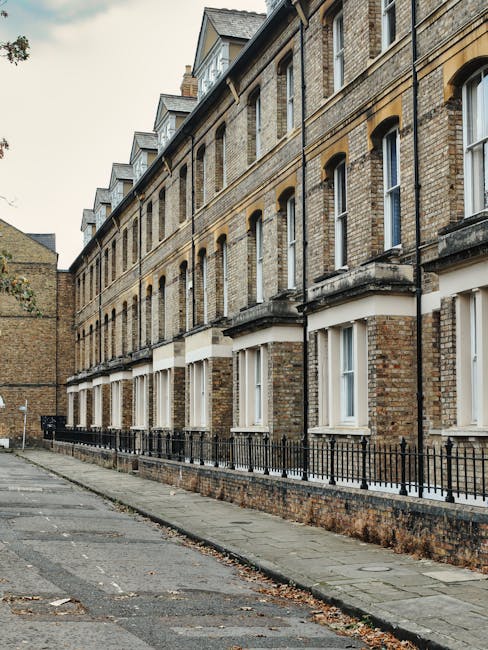
Church Street cleaning for flats TW1 local service guide

If you live in a flat near Church Street in TW1, you already know the rhythm of the place: busy mornings, shared entrances, awkward stairwells, a bit of road dust by the end of the week, and the constant battle against clutter in a smaller footprint. This Church Street cleaning for flats TW1 local service guide is here to make the whole process clearer, calmer, and a lot more practical. Whether you need a one-off reset, a regular tidy-up, or a deeper clean before guests, moving day, or the end of a tenancy, the right approach can save time and reduce stress.
Flat cleaning in this part of Twickenham is not quite the same as cleaning a house on a quiet side road. Access, parking, shared hallways, building rules, and the simple reality of compact rooms all shape what works best. In the guide below, you will find the key decisions, the common pitfalls, and the sensible next steps, with a local-service mindset throughout. Nothing overcomplicated. Just solid, useful advice.
Why Church Street cleaning for flats TW1 local service guide Matters
Church Street sits in a part of Twickenham where flats often deal with a mix of foot traffic, periodic building work, and the usual London dust that seems to appear from nowhere. For residents, landlords, tenants, and short-let hosts, that means cleaning is not just about appearances. It affects how a flat feels to live in, how easy it is to hand over, and how well surfaces, flooring, and fittings hold up over time.
A good local cleaning plan matters because flats tend to collect mess differently from houses. Dust settles faster around skirting boards and window ledges. Kitchens can feel stuffy sooner. Shared entrances can track in grit. If you've ever wiped a sill in the morning and found a fine film of dust by evening, well, that's the sort of thing we mean. It's normal, but it does need a plan.
For a lot of people, the biggest win is consistency. A regular service can stop the flat from ever reaching that overwhelming stage. A one-off or deep clean, on the other hand, can reset everything when life has got a bit away from you. Truth be told, most people don't need perfection. They need a flat that feels fresh, presentable, and under control.
Expert summary: In flats near Church Street, the smartest cleaning approach usually combines local practicality, building access awareness, and the right level of service for the way you actually live.
How Church Street cleaning for flats TW1 local service guide Works
At a practical level, the process is straightforward: identify what the flat needs, choose the right cleaning type, agree what is included, and then make sure access and timing are clear. The details matter, though. They matter a lot.
Most flat cleaning jobs in TW1 fall into a few broad patterns:
- Regular cleaning for ongoing upkeep, often weekly or fortnightly.
- One-off cleaning when the flat needs a visible reset after a busy stretch.
- Deep cleaning for built-up grime, neglected corners, or seasonal refreshes.
- End of tenancy or move-related cleaning when standards need to be especially thorough.
- Targeted add-ons such as window cleaning, oven cleaning, or carpet cleaning.
In a flat, the sequence tends to start with the high-use areas. Kitchens and bathrooms usually come first because they show wear quickly. Then living areas, bedrooms, and any special tasks like internal glass, appliance detailing, or spot-cleaning upholstery. If there are communal access issues, those get solved before anyone arrives. No point sending someone to a building if the entry code is missing or the cleaner can't reach the flat. It sounds obvious, but it happens more than you'd think.
Local service also means local realities. Parking around TW1 can be tight. Lift access may be limited. Some buildings have quiet hours, concierge procedures, or fragile communal flooring that needs care. A good service will factor this in rather than treat every address the same.
Key Benefits and Practical Advantages
There are the obvious benefits, of course: a cleaner flat, less dust, fewer smells, and a home that looks cared for. But the better value is often in the practical effects you notice day to day.
- Less mental clutter: a tidy flat usually feels easier to relax in. Not exactly scientific, but very real.
- Better upkeep of finishes: dust, limescale, and grime are easier to manage before they become stubborn.
- Improved presentation: useful for visitors, inspections, or viewings.
- More predictable routines: regular cleaning keeps chores from piling up.
- Better use of limited space: small flats feel much bigger once surfaces and floor areas are clear.
If you rent, there's another benefit: fewer awkward surprises at the end of the tenancy. If you host guests, freshness matters even more because people notice the small things quickly. A clean bathroom mirror, a crumb-free sofa, a dust-free radiator... these details tell a story. And they're not subtle.
For homeowners, the benefit is simpler. Your place feels more like somewhere you want to be. That counts for a lot.
Who This Is For and When It Makes Sense
This service guide is useful for several types of flat residents around Church Street and the wider TW1 area. Some people need a reliable ongoing clean. Others need rescue-level help because a move, renovation, or busy season has left the flat looking tired. Both are perfectly normal.
- Busy professionals who want the flat kept in decent shape without spending their evenings scrubbing.
- Tenants preparing for check-out or simply trying to stay ahead of the mess.
- Landlords wanting a presentable, well-kept property between occupancies.
- Short-let hosts who need a dependable turnover standard.
- Residents in smaller flats where clutter and dust build up quickly.
- People after building work who need help clearing fine dust and residue.
It also makes sense when the flat has one or two problem zones that you never quite get around to. Maybe it's the bathroom grout. Maybe the oven door is embarrassing. Maybe the carpets look fine from a distance, but not in daylight. You know the type of thing.
If you're unsure, a one-off or deep clean is often the easiest way to test what level of service you need before moving to a regular schedule.
Step-by-Step Guidance
Here's a sensible way to approach cleaning for a flat in Church Street, without making it more complicated than it needs to be.
- Walk through the flat room by room. Note where dust, grease, marks, or limescale build up fastest.
- Decide the service level. Is it routine maintenance, a reset, or a deeper clean?
- List any priority areas. Kitchens, bathrooms, inside windows, skirting boards, or appliances often need special attention.
- Check access details. Entry codes, buzzer instructions, parking restrictions, and lift availability should all be confirmed in advance.
- Clear the obvious clutter first. It helps the cleaning work go smoothly and reduces wasted time.
- Be realistic about time. A heavily used flat with lots of surfaces will not feel properly refreshed after a rushed visit.
- Review the result. Look at the areas that matter most to you. Kitchen taps, bathroom corners, behind taps, under furniture, and around handles are usually the giveaway spots.
A small tip from real life: if you're booking for a move or inspection, take photos of the worst areas before the clean. Not because you want drama. Just because it helps you spot what's improved and what still needs attention. Handy, that.
Expert Tips for Better Results
If you want better results from a flat clean, the biggest improvement usually comes from preparation and prioritisation, not from trying to do everything at once.
- Focus on touch points: handles, switches, taps, splashbacks, and remote controls collect fingerprints quickly.
- Deal with moisture early: bathrooms in compact flats can develop lingering smells if ventilation is poor.
- Don't ignore hidden dust: behind radiators, under beds, and on top of wardrobes. Yes, those places again.
- Use the right frequency: a fortnightly clean can be enough for some flats, while others need weekly support.
- Match the service to the flat's use: a quiet owner-occupied studio needs something different from a busy rental.
- Ask about add-ons only when useful: specialist jobs such as sofa cleaning or upholstery cleaning can make a visible difference if fabrics are tired or stained.
One practical thing people often miss: airflow. A clean flat that still feels stale is usually telling you something about ventilation, not dirt. Open a window when conditions allow, especially after bathroom and kitchen cleaning. Nothing fancy, just common sense.
And yes, if you live in a small flat, it is possible to make it feel spotless and still lived-in. You don't need a showroom. You need a home that works.
Common Mistakes to Avoid
Some of the most common problems in flat cleaning are not dramatic. They're just the little things that add up.
- Choosing the wrong service type: a regular clean will not usually tackle heavy build-up on its own.
- Forgetting access details: if someone cannot get into the building, the whole job starts badly.
- Expecting every task to fit into a short visit: deep cleaning takes time, especially in compact flats with lots of fixtures.
- Leaving clutter everywhere: cleaners can only clean around objects so far.
- Ignoring specialist areas: ovens, carpets, windows, and mattresses often need separate attention.
- Not checking expectations in advance: what one person calls "clean" another person might call "acceptable but not great." Subtle difference, massive headache.
Another common one: booking the service you think sounds cheapest, then expecting deep-clean results. It rarely ends well. Better to be upfront about the flat's condition and choose the right level from the start.
Tools, Resources and Recommendations
You do not need a cupboard full of gadgets to manage a flat well. In fact, in smaller spaces, too much cleaning equipment just becomes another thing to move around. Simple and effective usually wins.
Useful items and service pairings often include:
- Microfibre cloths for dusting and polishing surfaces without leaving fluff behind.
- Bathroom descaler for taps, shower screens, and limescale-prone areas.
- Vacuum tools for edges and corners where dust collects quietly.
- Steam or specialist treatment for certain fabric and hard-surface jobs, where appropriate.
- Targeted services like oven cleaning, carpet cleaning, and window cleaning when standard surface cleaning is not enough.
If you are deciding between service types, it can also help to look at the bigger picture. A flat with worn carpets, dusty upholstery, and a kitchen that needs proper degreasing may be better served by a deep clean rather than a simple tidy-up. On the other hand, a fairly well-kept home may only need regular cleaning to stay in good shape. There is no prize for overbuying.
For service information, it is sensible to review the company's pricing and quotes approach, plus practical policies such as health and safety, insurance and safety, and recycling and sustainability. Those pages help set expectations before anyone steps through the door.
Law, Compliance, Standards, or Best Practice
For flat cleaning in TW1, the legal and compliance side is usually less about complicated paperwork and more about sensible care. That said, there are still a few things worth taking seriously.
For domestic settings, best practice generally includes safe use of cleaning products, awareness of slip risks, and respect for building rules in communal areas. If a cleaner is working in shared hallways, lifts, or stairwells, they should avoid blocking access and should handle water, equipment, and waste carefully. That part is not glamorous, but it matters.
Where tenancy or letting is involved, expectations may be set by a contract, inventory, or landlord standard. The exact wording can vary, so it's wise to check what is actually required rather than relying on assumptions. A "clean and tidy" note in one document may mean something different from another. Annoying? Yes. Common? Absolutely.
Professional providers should also be clear about terms, payment security, complaints handling, and privacy. Useful trust signals include transparent terms and conditions, a clear complaints procedure, and an accessible privacy policy. If you're comparing options, those details are often as revealing as the cleaning description itself.
And yes, if the property has fragile surfaces, high-value items, or tricky access, it is perfectly reasonable to ask how those are handled. Better to ask upfront than to wince later.
Options, Methods, or Comparison Table
Choosing the right cleaning method for a flat is easier when you compare the practical differences side by side.
| Cleaning option | Best for | Typical strengths | Things to watch |
|---|---|---|---|
| Regular cleaning | Ongoing upkeep in lived-in flats | Keeps dust and mess under control, easier to maintain | May not tackle deep grime or neglected areas |
| One-off cleaning | Sudden resets, busy periods, guests arriving | Flexible, good when things have slipped a bit | Can be too light for heavy build-up |
| Deep cleaning | Built-up dirt, seasonal refresh, problem areas | More thorough, reaches overlooked spots | Takes longer and usually needs clearer priorities |
| Move-in / move-out cleaning | Tenancy changes and handovers | Helps present the flat well at a major transition | Often requires extra attention to detail and access timing |
| Specialist add-ons | Ovens, fabrics, carpets, windows | Targets stubborn tasks that general cleaning may not fully solve | Best booked only where needed |
In real life, many flats need a mix. That's normal. A regular clean keeps the basics in line, while an occasional deep clean or specialist treatment deals with the stuff that gets away from you. Nothing wrong with that at all.
Case Study or Real-World Example
Picture a typical Church Street flat: a compact two-bedroom place with a small kitchen, one bathroom, and a living room that also does the job of home office, dining room, and storage zone. The resident works long hours, travels a couple of times a month, and keeps meaning to sort the place out properly. You know how it goes. By Friday evening the kitchen surfaces look dull, the bathroom mirror has spots on it, and there's a soft layer of dust on the skirting boards.
The first step was not a full renovation of habits. It was a practical clean focused on the worst areas: bathroom limescale, kitchen grease, living-room dust, and the windows that never quite looked clean in evening light. After that, the resident switched to a regular schedule and added occasional carpet attention because the hallway pile had become flat in the high-traffic path.
The useful part of this example is not that everything became perfect. It didn't. But the flat became manageable, and more importantly, it stayed manageable. That is usually the real goal. Once a flat is back in good shape, keeping it that way becomes much easier.
There was also a tiny detail that made a big difference: a short pre-clean declutter of the coffee table and bathroom shelf. Took five minutes. Saved far more time than that. Small wins, honestly, are half the battle.
Practical Checklist
Use this checklist before booking or starting a flat clean in Church Street or the wider TW1 area.
- Confirm the flat's access instructions and any entry codes.
- Check whether parking or loading is restricted nearby.
- Decide if you need regular, one-off, deep, or move-related cleaning.
- List any priority rooms or problem areas.
- Remove clutter from surfaces and floors where possible.
- Identify any specialist tasks such as oven, carpet, window, or upholstery work.
- Make sure fragile items are stored safely.
- Review service terms, payment details, and complaint handling before booking.
- Ask about health and safety practices if the building has shared access.
- Leave a clear way to inspect the result once the clean is complete.
If you want a simple rule of thumb: the clearer the brief, the better the outcome. It really is that straightforward, even if the flat itself isn't.
Get a free quote today and see how much you can save.
Conclusion
Church Street cleaning for flats TW1 local service guide is ultimately about matching the right service to the way local flats actually live and age. In compact homes, mess shows faster. Shared access adds a layer of coordination. And small details, from limescale on a tap to dust on a windowsill, can change how a place feels more than people expect.
The good news is that once you understand what your flat needs, the rest gets much simpler. Choose the right level of clean, prepare the space sensibly, and keep an eye on the high-use areas. Do that, and the whole flat starts to feel easier to manage. A bit calmer, a bit fresher, a bit more like home. That's the real value.
And if the place has become a little too lively lately, don't worry. It happens. The trick is just getting it back on your side.
Frequently Asked Questions
What does Church Street cleaning for flats TW1 local service guide actually cover?
It covers the practical side of cleaning flats near Church Street in TW1, including how to choose between regular, one-off, deep, and move-related cleaning, plus what local residents should think about before booking.
Is regular cleaning enough for a small flat in Twickenham?
Often, yes. If the flat is well maintained and not heavily used, regular cleaning can keep dust, surfaces, and bathrooms under control. If there is build-up or neglected areas, you may need a deeper clean first.
When should I book a deep clean instead of a standard clean?
A deep clean makes more sense when grime has built up, when you are preparing for a move, after building work, or when surfaces and hidden areas need more detailed attention than a routine visit can provide.
Do flats near Church Street need special access planning?
Usually, yes. Shared entrances, entry codes, limited parking, lifts, and building quiet hours can all affect the timing and smoothness of a clean. A few minutes of planning saves a lot of hassle.
Can I combine flat cleaning with carpet or window cleaning?
Yes, and in many flats that is a sensible approach. Add-ons like carpet cleaning or window cleaning can make the whole property feel noticeably fresher, especially if there is visible wear in high-traffic areas.
What should I clear before a cleaner arrives?
It helps to remove obvious clutter from floors, tables, kitchen counters, and bathroom surfaces. The cleaner can work faster and more thoroughly when the space is ready.
How do I choose between one-off cleaning and regular cleaning?
Choose one-off cleaning if the flat needs a reset after a busy period. Choose regular cleaning if you want the property kept in steady condition week by week or fortnight by fortnight.
Are end of tenancy and move-out cleaning the same thing?
They overlap a lot, but not always completely. Both focus on handover condition, but tenancy requirements, inventory standards, and landlord expectations can shape the final brief.
What if I live in a very small flat and storage is limited?
Then keeping the cleaning approach simple matters even more. Focus on high-use areas, avoid overloading the space with products, and use a schedule that fits how you actually live.
Should I ask about insurance and safety before booking?
Yes. It is a sensible trust check, especially for flats with shared access, valuable belongings, or delicate finishes. Clear policies show that the provider takes the job seriously.
Can flat cleaning help with stubborn smells?
Sometimes, yes. Kitchen residue, bathroom moisture, bins, soft furnishings, and poor ventilation can all contribute. Cleaning helps, but airflow and routine upkeep matter too.
How do I know if a flat needs upholstery or sofa cleaning?
If fabrics look dull, smell stale, or show marks that regular vacuuming does not fix, specialist upholstery or sofa cleaning may be worth considering. It can make a surprisingly big difference in a small flat.
What is the best next step if I am not sure what service I need?
Start by identifying the worst areas and the main goal: maintenance, reset, or handover. Then compare that with the type of cleaning you need and check the provider's pricing, terms, and safety information before booking.